
How to Choose a HIPAA-Compliant IT Provider in South Florida
Practice managers: here is what to ask an MSP about BAAs, risk assessments, encryption and Florida FIPA breach rules before you sign. Verify, don't just trust.
Read
Boynton Beach HOA boards face real risk from volunteer-run networks. Learn the compliance, security, and liability reasons to professionalize HOA IT.
If you sit on an HOA board in Boynton Beach, you've probably never signed up to be an IT manager — but somewhere along the way, you became one. The clubhouse Wi-Fi, the gate access system, the office computer that runs the accounting software: someone has to keep those running, and on most boards, that someone is a volunteer or a maintenance worker doing their best with what they know. That gap between what your association is responsible for and who's actually maintaining the systems is where a lot of avoidable trouble starts.
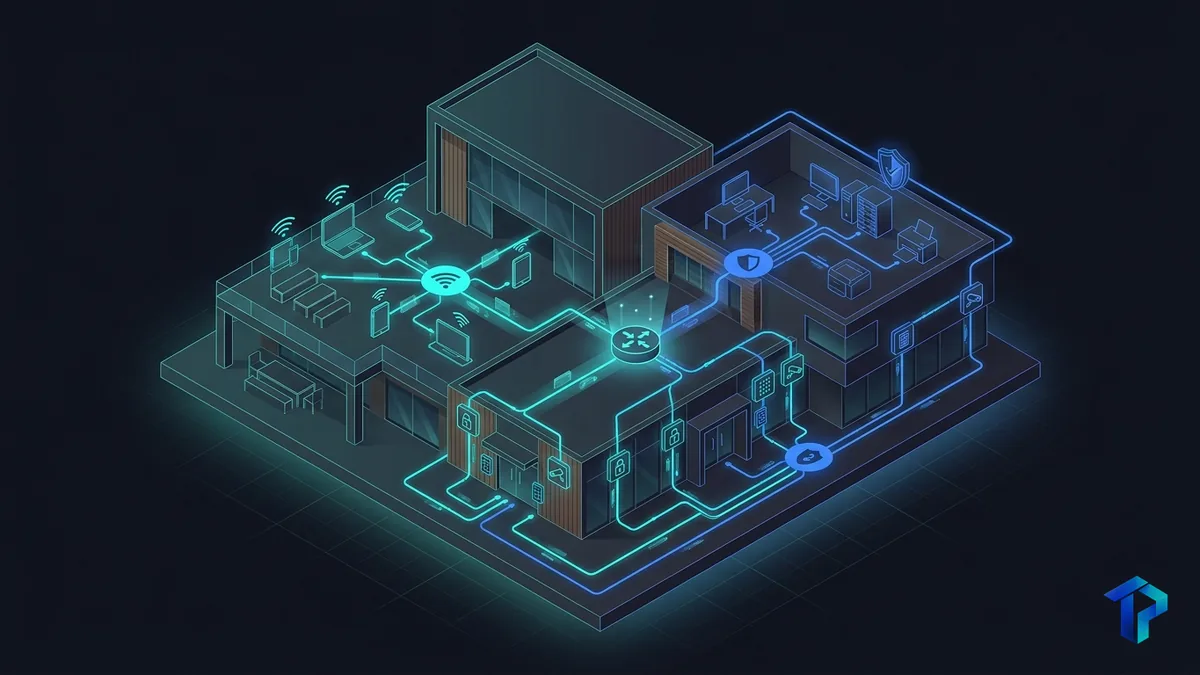
Today's HOA office isn't just a filing cabinet and a phone line. Most associations in Boynton Beach and the surrounding area now run clubhouse guest Wi-Fi, an administrative network for accounting and resident records, and some form of electronic access control at the gate or clubhouse door. None of that runs itself.
When something breaks, the default fallback is usually whoever's available — a board volunteer who's handy with computers, or a maintenance staffer who gets pulled off a work order to reboot a router. That's a reasonable stopgap. It's not a plan. Boards are still legally and operationally responsible for resident data, financial records, and building access, whether or not anyone on-site actually understands how those systems are configured. Before deciding whether to outsource that responsibility or build it in-house, it helps to see exactly where the risk sits today.
Volunteer boards rotate by design — that's the point of an HOA. But it means the person who set up the router, assigned the Wi-Fi passwords, or configured the access control panel three years ago may be long gone, with no notes left behind. The next volunteer inherits a system nobody fully understands.
Maintenance staff are often asked to fill the gap, and they're genuinely good at what they're trained for: fixing a pool pump, patching drywall, replacing a broken lock. Access control panels and firewall settings are a different skill set entirely, and asking maintenance teams to manage them is setting people up to fail through no fault of their own.
The scale of the risk this creates is not small. The FBI's Internet Crime Complaint Center's 2025 report found that reported cybercrime losses reached $13.8 billion nationally. That's the environment every small network operates in now, including a clubhouse router in a gated community. Each year an HOA network goes unmanaged, the "tribal knowledge" holding it together gets thinner and more fragile — until the one person who remembers the admin password retires from the board.
A network held together by whoever's still around from three years ago isn't a security plan — it's a countdown.
There's an actual federal standard for this, and most clubhouse networks fall well short of it. NIST Special Publication 800-97, on the establishment of wireless robust security networks, lays out how wireless network security depends on every component — client devices, access points, wireless switches — being secured consistently across the full lifecycle: design, deployment, ongoing maintenance, and monitoring. It's not a one-time setup task.
NIST also recommends standardized security configurations for client devices connecting to the network, because a consistent baseline configuration reduces vulnerabilities and limits the damage if something does get compromised. Most volunteer-run networks have no standard configuration at all — settings differ by whoever touched the router last.
Perhaps most relevant to an HOA: NIST guidance calls for separate WLANs when there's more than one security profile in use — meaning clubhouse guest Wi-Fi should never sit on the same network as the admin systems handling resident records and billing. In practice, that separation is exactly the kind of clubhouse wifi network security work that gets skipped when there's no dedicated IT process.
It matters more than it sounds. In January 2024, CISA and the FBI jointly published guidance on insecure default settings in small office/home office (SOHO) router hardware — the same low-cost, big-box router hardware commonly found running clubhouse Wi-Fi. Left on factory defaults, those routers are an open door.
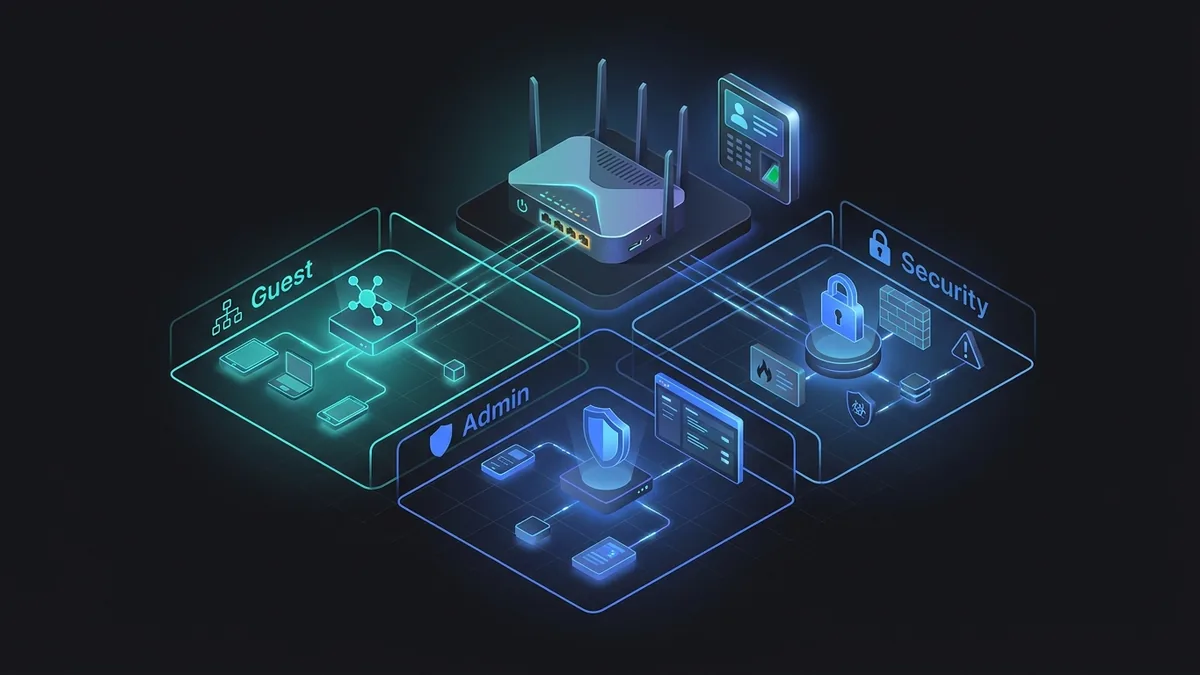
Electronic gate and door access systems aren't just convenience upgrades — they're data systems. They store resident names, unit numbers, access codes, and logs of who came and went and when. That's exactly the kind of information a mismanaged system can expose.
A well-meaning volunteer without security training can inadvertently leave that data exposed — a shared login left active for a former board member, an access log left visible, a default password never changed. None of that requires malicious intent. It just requires nobody being responsible for checking.
The Federal Trade Commission's Safeguards Rule sets expectations for access controls, system monitoring, and secure configuration for covered financial institutions — and while most HOAs aren't directly bound by it, the same principles apply in spirit to any organization holding resident data. If a data incident traces back to an untrained volunteer administrator, the association as a corporate entity — rather than the individual volunteer, who is typically shielded by Florida's volunteer director immunity statutes — is the one exposed to liability and costly litigation. That's a real gap in cybersecurity and monitoring services coverage that boards should close before it becomes a problem, not after.
Florida Statute 720.303(5)(a) requires HOA records to be retained for at least seven years and made available to homeowners within 10 business days of a written request, and within 45 miles of the community. That's a hard deadline, which is nearly impossible to manage efficiently without a central, secure digital archive.
Section 720.303(6) adds its own pressure in a different way: it requires associations to prepare and adopt an annual budget each year. The statute doesn't set a single fixed date for every association — budget timing typically follows the association's fiscal year and bylaws — but the obligation is real either way, and network downtime at the wrong moment (email down, shared drives inaccessible) can still turn a routine budget meeting into a scramble.
Boynton Beach management firms like Jilsa already apply this discipline to physical contractors: verifying license and insurance, running competitive RFPs for maintenance and projects. There's no reason IT vendors should be held to a lower standard. Any property management IT consulting relationship worth having should be documented, licensed, and reviewed the same way a landscaping or roofing contract would be. A professionally managed, documented network also makes those 10-day records requests and the occasional state audit far less stressful — you're pulling from a system you can trust, not hunting for a password nobody wrote down. Boards should also be aware of Florida's HOA website mandate, which adds another layer of digital compliance most associations haven't fully addressed yet.
In-house IT management can work — but only with a dedicated, trained person and real documentation, something most volunteer boards simply don't have the bandwidth to sustain year over year. If your board is weighing that route, treat the vendor decision with the same rigor as any other capital contract for the community.
Outsourcing to a local managed IT provider solves the continuity problem directly. Standardized configurations, ongoing monitoring, and documented handoffs don't depend on who's serving on the board this year — they're built into the contract. A local provider can also respond faster during hurricane season, when clubhouse communications and access systems matter most and time-zone delays from offshore support aren't an option.
TechPro IT Solutions' HOA & property management IT support is built around exactly this: segmented, documented networks suited to Florida associations, backed by Boynton Beach managed IT services that don't disappear when a board seat changes hands.
Your board doesn't need to become an IT department to run a secure clubhouse network and a compliant records system — it needs a plan that survives volunteer turnover. If you're not sure where your current setup stands, a free IT assessment is the fastest way to find out. Reach out or call (561) 922-8416 to get started.
Without documented configurations or a support contract, boards often wait days for a volunteer to troubleshoot or scramble to find a new vendor. This can halt admin operations, delay resident communications, and in some cases interrupt access control systems tied to the same network.
Generally not without training. Access control panels and admin networks store resident data and access logs that require the same discipline NIST recommends for any wireless network — segmented systems, standardized device configurations, and removal of default router settings. Well-meaning but untrained volunteers rarely apply those steps consistently, which increases breach risk over time.
Florida Statute 720.303(5)(a) requires HOA records to be retained for 7 years and made available within 10 business days of a request, which depends on a reliable, well-documented network. If resident data is exposed through an untrained volunteer administrator, the association itself — not the individual volunteer, who is generally protected by Florida's volunteer director immunity statutes — is the party exposed to liability and potential litigation.
For anything beyond a basic guest Wi-Fi setup, a professional IT provider is strongly recommended. In-house volunteer management risks knowledge loss with every board turnover, while outsourcing to a local managed provider delivers documented systems, standardized configurations, and continuity regardless of who sits on the board each year.
Practice managers: here is what to ask an MSP about BAAs, risk assessments, encryption and Florida FIPA breach rules before you sign. Verify, don't just trust.
Hurricanes knock out wired internet fast. Here's how dual-WAN cellular failover keeps Boca Raton businesses running when storms hit.
Start with a free IT assessment — a clear, no-pressure look at where things stand and what managed IT could do for you.